The Ultimate Guide to Choosing the Best Running Shoes
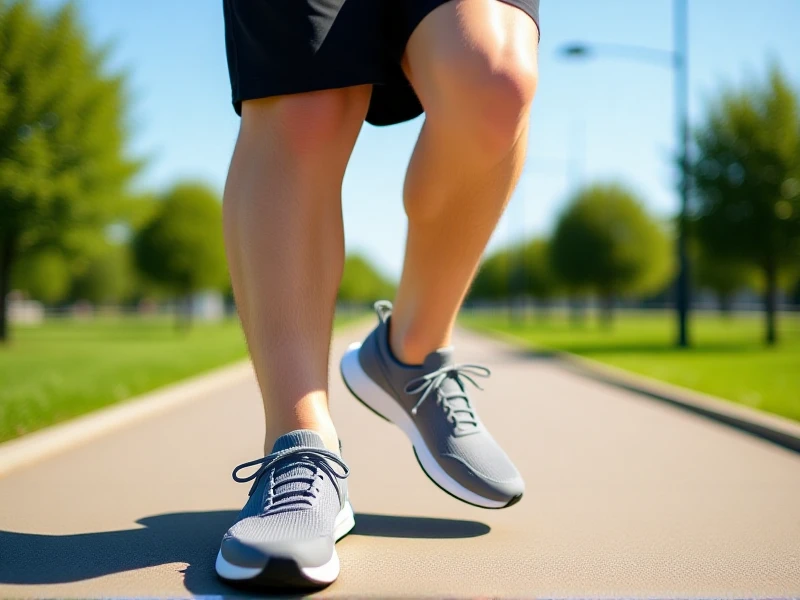
Selecting the perfect pair of running shoes isn't just about style; it's a key step toward enhancing your running experience and preventing injuries. For any runner, whether you're training for a marathon or enjoying a daily jog, the right shoes make a world of difference. They provide support, cushioning, and stability tailored to your unique needs. In short, investing in quality running shoes can boost your performance and keep you injury-free.
Running shoes come in various types to suit different foot mechanics and running styles. Neutral cushioning shoes are ideal for those with high arches, offering excellent shock absorption without added support. Stability shoes cater to runners with flat feet or mild overpronation by incorporating medial support to guide your stride. Motion control shoes, on the other hand, are best for severe overpronators who need maximum correction. When trying on running shoes, focus on fit: your toes should have wiggle room, and the shoes should feel snug but not tight. Aim to shop later in the day when feet swell slightly, and test a few pairs by jogging in-store to ensure comfort.
The benefits of proper running shoes go beyond comfort. They improve your energy return, making each stride more efficient, which can lead to better times and longer distances. Quality running shoes also reduce stress on joints, lowering the risk of common issues like shin splints or plantar fasciitis. Brands like Brooks and Nike offer top-rated options, but always prioritize fit over fashion—personal comfort is king. Remember to maintain your shoes by rotating between pairs to extend their lifespan and cleaning them after wet runs. Replace them every 300-500 miles, as worn-out cushioning loses its protective edge.
In summary, taking time to find the best running shoes for your feet transforms your runs from a chore to a joy. Get fitted properly, listen to your body, and enjoy the miles ahead. Your feet will thank you.