Your Ultimate Guide to Finding the Perfect Running Shoes
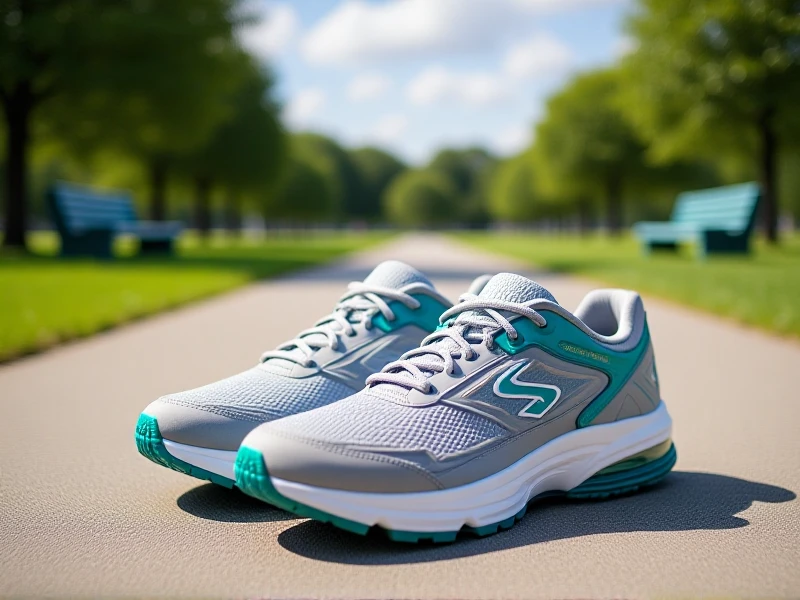
Choosing the right running shoes transforms every stride from a chore into pure exhilaration. Whether you're training for a marathon or jogging through neighborhood trails, proper footwear prevents injuries and unlocks peak performance. This guide reveals insider tips for selecting footwear that matches your unique running style and goals.
Running shoes require careful consideration of three core elements. First, analyze your foot arch – flat feet need motion control or stability designs to reduce overpronation, while high arches benefit from cushioned flexibility. Brands like Brooks and ASICS offer specialized models with medial posts or gel units to counteract instability. Second, prioritize breathable uppers. Engineered mesh or knit fabrics reduce moisture buildup during summer sprints or long-distance endurance sessions.
Shock absorption remains critical. Modern midsoles combine innovative foams like Adidas' Boost and Nike's React that deliver energy return mile after mile. Consider Hoka One One's maximalist cushioning for joint relief or Saucony's lightweight designs for speed training. Remember the "thumb rule": Always leave one thumbnail's space between your longest toe and the shoe’s end to prevent black toenails during downhill runs.
Rotate two pairs to extend durability. Alternate between runners every 48 hours to let midsoles decompress – this simple habit can double your shoes' lifespan. When replacing, track mileage through apps like Strava. Most running shoes maintain optimal support for 300-500 miles before cushioning deteriorates.
Today's market features revolutionary advancements. Carbon-fiber plates in performance racing shoes like Nike Alphafly propel runners forward with propulsion mechanics mimicking trampolines. Eco-conscious designs also surge, with Allbirds' plant-based SweetFoam and Salomon's recycled material collections reducing environmental impact without compromising responsiveness.
Test potential pairs during evening fittings when feet naturally swell. Run short test sprints to assess heel slip, arch support, and forefoot flexibility concerns. Remember that proper running shoes should feel secure instantly – no "break-in period" needed.
Investing in biomechanically optimized running shoes pays dividends through injury-free miles and personal bests. Visit specialty running stores for gait analysis or explore online retailers with generous return policies. Lace up, hit the pavement, and discover how the right footwear unleashes your potential one step at a time.
[Word Count: 388]