Unlock Your Best Run: The Ultimate Guide to Choosing Running Shoes
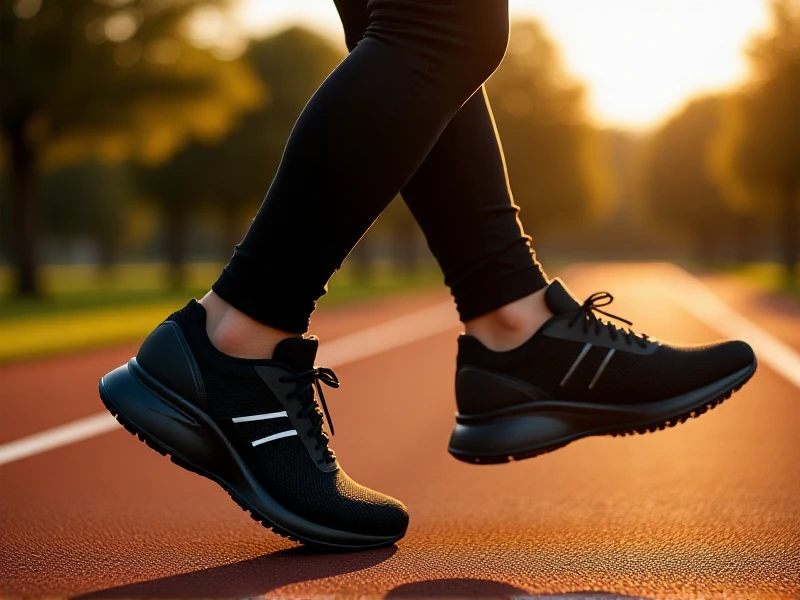
Every step counts, and it all starts from the ground up with the right pair of running shoes. Whether you're a seasoned marathoner chasing a new personal best or a beginner lacing up for your first 5K, finding the perfect running shoes is critical for comfort, performance, and injury prevention. The wrong pair can quickly derail your training and enthusiasm. Your feet deserve better than that!
Why the Right Running Shoes Are Non-Negotiable
Running is a high-impact activity, pounding the pavement stride after stride. Quality running shoes act as essential shock absorbers, cushioning your joints and muscles from excessive stress. They provide targeted support tailored to your unique foot mechanics (like pronation control for overpronators or extra cushioning for high-impact runners) and ensure stability throughout your gait cycle. Ultimately, the ideal pair enhances your efficiency, protects your feet and legs, and lets you run comfortably for longer.
Key Factors When Selecting Your Running Shoes
- Understand Your Gait: This is paramount. Are you a neutral runner, an overpronator, or a supinator? Specialist running stores often offer gait analysis to help you understand how your foot rolls inward upon landing. Matching the shoe's support features to your gait type is fundamental for comfort and injury prevention.
- Consider the Terrain: Where will you primarily run? Road running shoes offer cushioning optimized for pavement and asphalt. Trail running shoes provide aggressive outsoles for traction on uneven terrain, plus added durability and often some rock protection. Cross-trainers or gym shoes won't cut it for dedicated runs!
- Prioritize the Right Fit: This is more than just knowing your shoe size. Always get fitted later in the day when your feet are slightly swollen. There should be about a thumb's width (roughly half an inch) of space between your longest toe and the end of the shoe. Ensure adequate width so your feet aren't squeezed, and check for a secure heel fit without slippage.
- Focus on Comfort and Feel: When you try on running shoes, they should feel immediately comfortable – no "breaking in" period required. Your heel should be cupped securely, the arch support should feel natural, and the toe box should allow your toes to wiggle freely. Try them out: if the store allows, jog around or step outside for a quick test run.
Caring for Your Running Shoes
Maximize the life and performance of your running shoes. Rotate between two pairs to allow the midsole foam to fully recover between runs. Avoid machine washing – instead, remove insoles and laces, clean off dirt with a soft brush and mild soap solution, and air dry naturally, away from direct heat. Pay attention to mileage; most shoes lose significant cushioning after 300-500 miles, even if the outsole looks okay. Worn-out cushioning means your joints are taking the hit.
Investing time in choosing the right running shoes is an investment in your running journey's success, comfort, and sustainability. Don't settle for less – visit a specialty run store for expert advice and gait analysis. Your feet (and your runs!) will thank you. Ready to find your ideal pair of running shoes and unlock your best performance? Start exploring top-rated road running shoes or discover rugged trail running shoes recommended by professionals today!