Your Ultimate Guide to Selecting the Best Running Shoes for Every Runner
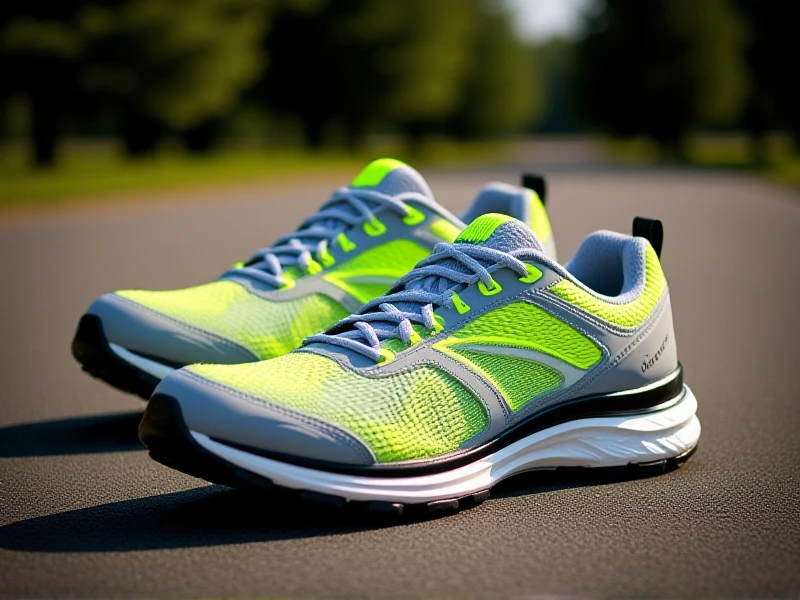
Choosing the right running shoes can transform your daily jog from a chore into a joy, boosting your comfort and preventing pesky injuries. Whether you're a newbie lacing up for the first time or a seasoned marathoner, the perfect pair of running shoes makes all the difference in your performance on the pavement or trail. With so many options on the market, it's essential to focus on key factors like fit, support, and cushioning tailored to your unique style.
First, always prioritize a proper fit for your running shoes. Ill-fitting shoes can lead to blisters, shin splints, or worse, so never settle for just any size. Head to a specialty running store where experts can analyze your gait—how your foot strikes the ground during a run. Are you a neutral runner, an overpronator, or do you supinate? This assessment helps match you with shoes designed for stability, motion control, or neutral cushioning. For instance, neutral shoes offer balanced support for most runners, while stability models add extra reinforcement to correct inward rolling.
Next, consider the terrain and your running shoes' intended use. Road shoes excel on concrete with light cushioning for quick impacts, making them ideal for city runs. Trail running shoes, however, feature rugged outsoles and enhanced grip for uneven paths, protecting against slips on wet or rocky surfaces. If versatility is key, hybrid options bridge the gap without sacrificing durability. Material matters too—look for breathable mesh in running shoes to keep feet cool and dry, paired with responsive midsoles for energy return on every stride.
The benefits of investing in quality running shoes extend beyond comfort. Shoes designed for running reduce impact on joints, potentially lower the risk of common aches like plantar fasciitis. Plus, they enhance endurance and speed; a well-fitted pair can shave seconds off your personal bests. Test shoes in-store or during a short test run to ensure they feel snug but not tight across the ball of your foot. Remember to replace your running shoes every 300-500 miles—worn-out support loses its protective edge.
In closing, take the time to find running shoes that truly support your goals. Try on multiple brands and models, focusing on how they feel underfoot. Your feet will thank you, and your runs will become smoother and more enjoyable. For personalized advice, consult experts or online reviews to discover top picks tailored to your run!