Running Shoes 101: Finding Your Perfect Stride Partner
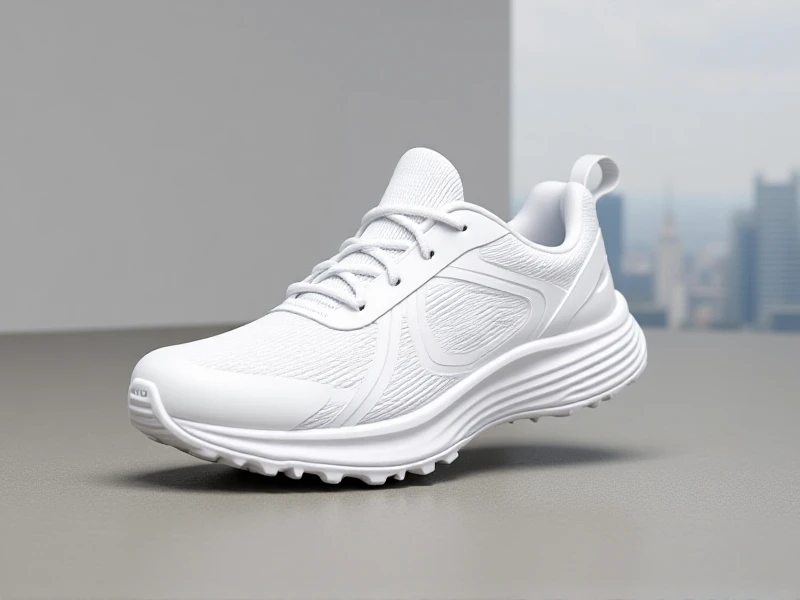
Choosing the right running shoes isn't just about color or brand; it's the foundation of comfortable, efficient, and injury-free running. Your feet and stride are unique, demanding a shoe specifically tailored to your needs. Feeling overwhelmed by the options? Let's break down the essentials.
The journey starts with understanding your gait and foot type. Are you a neutral runner? Do you overpronate (foot rolls inward) or underpronate/supinate (foot rolls outward)? Visit a specialty running store for a professional gait analysis. Many offer treadmill assessments to observe your stride mechanics firsthand – invaluable insight for getting the right support and cushioning level. Don't assume you need maximum cushioning; sometimes less is more, enabling a more natural foot strike.
Consider your running terrain and distance. Road running shoes prioritize cushioning and responsiveness for pavement pounding. Trail shoes offer aggressive tread, rock plates, and enhanced stability for uneven surfaces. Are you training for a marathon or tackling shorter, faster runs? Marathon trainers often provide plush comfort over distance, while speed shoes are lighter and snappier.
Top brands consistently innovate:
- Nike: Known for responsive cushioning (e.g., ZoomX in the Pegasus and Alphafly) and sleek designs for speed.
- ASICS: Renowned for stability and support technologies like GEL cushioning (Kayano, GT-2000 series) and DuoMax.
- Brooks: Focuses on comfort and biomechanics, popular series include the cushioned Ghost (neutral) and supportive Adrenaline GTS (stability).
- New Balance: Offers wide fits and diverse options from heavily cushioned Fresh Foam models (1080) to lightweight racers (FuelCell).
- Hoka: Famous for substantial, yet lightweight, maximalist cushioning ideal for long distances and recovery runs.
Beyond brand, pay attention to key components:
- Midsole Material: EVA foam provides basic cushioning, materials like PEBA (used in super shoes) or TPU offer more energy return and durability.
- Drop: The height difference between heel and forefoot. A moderate drop (8-10mm) is common; lower drops (0-6mm) encourage a more midfoot strike but require adaptation.
- Upper Fit: Should be snug but not constricting, with secure heel lockdown and room for toes to wiggle.
Finally, fit is paramount. Always try shoes on later in the day when feet are slightly swollen. Wear your running socks. There should be about a thumb’s width of space beyond your longest toe. Walk and ideally jog around the store – there should be zero pinching, slipping, or hotspots. Running shoes are an investment in your performance and health. Don't settle; take the time to find the pair that feels like an extension of your movement, propelling you forward mile after mile. Remember to replace them every 300-500 miles as cushioning degrades, even if the tread looks okay. What are your favorite running shoes and why? Share below!