The Ultimate Guide to Running Shoes: Enhance Your Runs and Avoid Injuries
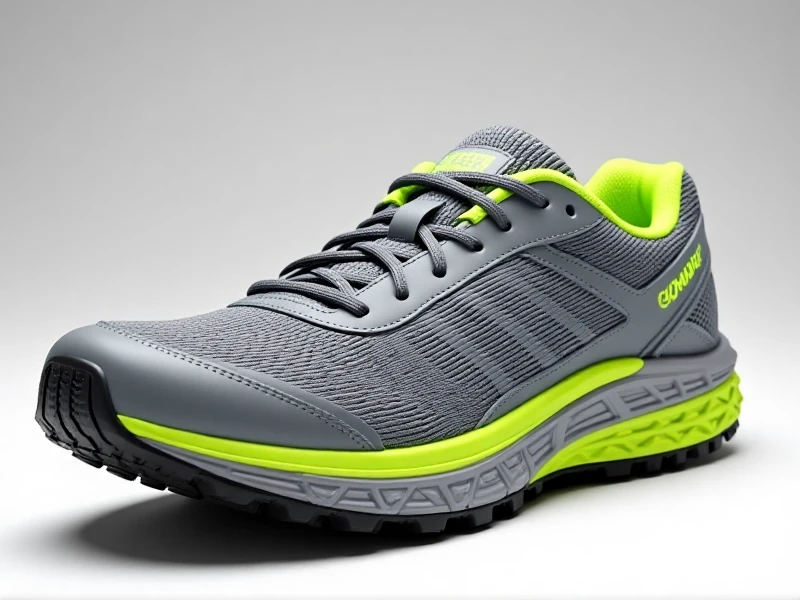
Running shoes are the foundation of any successful workout, whether you're a casual jogger or a seasoned marathoner. Choosing the right pair can transform your running experience by boosting comfort, improving performance, and preventing common issues like blisters or joint pain. With countless options on the market, it's easy to feel overwhelmed, but a few key tips can simplify your search and lead you to the perfect fit.
Start by understanding your foot type and running style. Pay attention to your gait – how your foot naturally rolls when it hits the ground. If you overpronate (your foot rolls inward), look for stability-focused running shoes with added support in the midsole to correct the motion. Neutral arches often thrive in cushioned models that absorb shock, while underpronators or those with high arches need flexible options to distribute impact evenly. For personalized advice, head to a local running store for a professional fitting; it's always better to try them on than rely on online measurements, as feet swell during activity. Aim for a snug yet not tight fit in the heel, with a thumb's width of space in the toe box to avoid squashing your digits on longer runs.
Next, consider the terrain and your running habits. Road running shoes feature smooth soles for pavement, offering lightweight flexibility and ample cushioning to handle repetitive strikes. In contrast, trail running shoes boast rugged outsoles with deeper lugs for grip on rocky or muddy paths, plus reinforced uppers to shield your feet from debris. If you mix it up with gym workouts or daily errands, hybrid running shoes provide versatile support without compromising on comfort. Materials matter too; opt for breathable mesh uppers to keep your feet cool and dry, and durable rubber outsoles that can withstand miles. Look for high-end technologies like memory foam or responsive gels that adapt to your stride, making each step feel effortless and energizing.
Don't forget longevity and replacement signs. Even the best running shoes lose their magic after 300–500 miles, as worn-down cushioning can lead to strains or discomfort. Keep an eye out for uneven tread wear or a lack of bounce—it’s a signal to browse your favorite brands for upgrades. Brands like Nike and Brooks offer eco-friendly options made from recycled materials. Ultimately, investing in quality running shoes elevates your routine, turning each run into a joy rather than a chore. Prioritize fit over fashion.
395