Finding Your Perfect Pair: Expert Guide to Sports Shoes for Every Activity
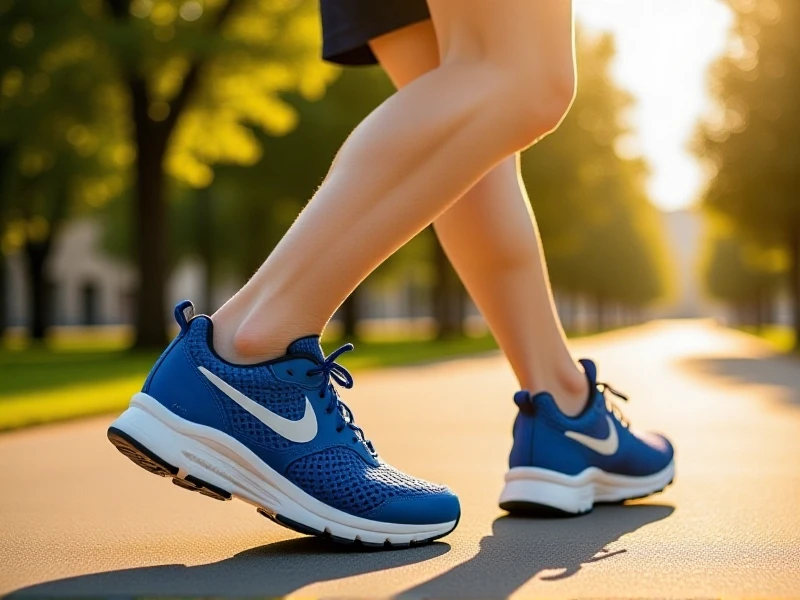
Investing in the right sports shoes is paramount, not just for peak performance but also for injury prevention and lasting comfort. Whether you're hitting the pavement for a run, dominating the basketball court, or lifting weights at the gym, the specific demands placed on your feet differ drastically. Choosing poorly fitted or inappropriate footwear can lead to discomfort, diminished results, and even long-term injuries. This guide simplifies selecting the optimal athletic footwear for your needs.
The cornerstone of finding your ideal sports shoes lies in understanding your primary activity. Running shoes, designed for repetitive forward motion, offer distinct features: they boast ample cushioning in the heel and forefoot to absorb impact, flexible soles for the foot's natural roll, and are generally lightweight. Their core purpose is shock absorption over miles. Basketball shoes, conversely, prioritize lateral support and ankle stability for quick cuts, jumps, and pivots. They feature higher ankle collars, grippier outsoles optimized for indoor court surfaces, and firmer cushioning for explosive power. Cross-training shoes offer a versatile solution for gym-goers tackling various activities like weightlifting, aerobics, and agility drills. They balance lateral support with forefoot flexibility and moderate cushioning.
Beyond activity type, consider your individual biomechanics. Your foot's natural arch type (high, neutral, or low/flat) significantly impacts gait and influences the support you need. Runners, especially, benefit from gait analysis – often available in specialist sports shoe stores – to determine if they require neutral, stability, or motion control footwear to correct overpronation or supination. Prioritizing fit is non-negotiable. Always try on sports shoes later in the day when feet are naturally slightly swollen. Wear the same type of socks you'd use during the activity. Ensure a comfortable, snug fit through the midfoot and heel without slippage, with about a thumbnail's width of space between your longest toe and the shoe's end.
Don't underestimate cushioning and responsiveness, which vary significantly between brands and models within the same category. Some runners prioritize soft, plush cushioning for maximum comfort over long distances, while others prefer a more responsive, firmer feel for speedwork. The midsole material (like EVA foam or proprietary mixes like Nike Air, Adidas Boost) dictates this critical aspect. Finally, assess the outsole's tread pattern and rubber composition, ensuring it provides reliable traction specifically for your intended surfaces (road, trail, indoor court).
Leading sports shoe brands like Nike, Adidas, Brooks, ASICS, New Balance, Puma, and Under Armour continuously innovate in materials and technology. Replace your athletic shoes every 300-500 miles for runners, or sooner if you notice visible wear on the outsole, loss of cushioning, or persistent discomfort. Investing time and thought into selecting the perfect pair of sports shoes translates directly into enhanced performance, prolonged comfort, and staying active in every activity you love. Find your match, lace up, and unleash your potential. Good footwear is fundamental!